All Categories
Featured
Table of Contents
- – The Expanding Demand for Financial Obligation ...
- – Bankruptcy Therapy: The Misunderstood Safeguard
- – Comparing Your Financial Obligation Alleviatio...
- – What Establishes Nonprofit Therapy Apart
- – Caution Indications of Predacious Financial De...
- – Taking the Primary Step Toward Recovery
- – The Path Onward
Monetary stress and anxiety has actually come to be a specifying characteristic of modern-day American life. With total charge card financial obligation surpassing $1.21 trillion and the average cardholder owing greater than $6,500, countless individuals find themselves entraped in cycles of minimum repayments and intensifying passion. When credit card rates of interest float around 23%, even small equilibriums can swell into overwhelming concerns within months.
For those sinking in debt, the inquiry isn't whether to seek help-- it's finding the best sort of assistance that won't make matters worse.
The Expanding Demand for Financial Obligation Forgiveness Solutions
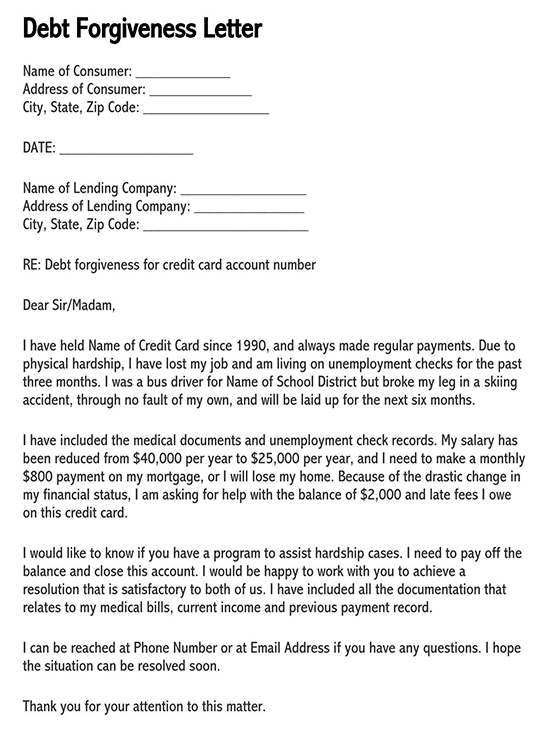
Debt forgiveness has become one of one of the most searched financial topics online, and for great reason. The concept of settling financial debts for less than the total owed offers real hope to people that see no sensible path to paying their balances in full.
The procedure commonly functions similar to this: when charge card accounts go unpaid for 120 days or more, creditors frequently bill off the debt. At this stage, they might accept decreased settlements to recuperate at least a part of what's owed. Successful settlements can minimize equilibriums by 30% to 50%, relying on the financial institution and your demonstrated economic challenge.
Debt forgiveness isn't free money. Settled accounts show up on credit scores reports as "" paid much less than complete equilibrium,"" which impacts your score. In addition, forgiven amounts going beyond $600 may be reported to the IRS as gross income. Comprehending these trade-offs before pursuing negotiation is essential.
Bankruptcy Therapy: The Misunderstood Safeguard
Insolvency brings substantial stigma, yet it stays a legitimate legal tool made to give overloaded individuals a genuine clean slate. What numerous people do not understand is that federal regulation needs 2 counseling sessions before and after declaring-- and these sessions exist specifically to guarantee you're making a notified decision.
Pre-bankruptcy credit history therapy involves a detailed testimonial of your revenue, debts, and expenses. Qualified therapists present alternatives you could not have actually considered, consisting of debt monitoring programs or hardship negotiations. This isn't about discouraging bankruptcy; it's about validating it's truly your best choice.

Post-bankruptcy debtor education prepares you for monetary success after discharge. You'll find out budgeting techniques, conserving strategies, and credit history restoring approaches designed to avoid future monetary troubles.
Organisations like APFSC offer both called for courses, with fees around $19.99 per session unless you get difficulty waivers. Their certified therapists offer same-day certificates, and sessions commonly run 60 to 90 mins. This accessibility issues when you're already stressed about finances.
Comparing Your Financial Obligation Alleviation Options
Comprehending the landscape of debt relief helps you make informed decisions. Each strategy carries unique advantages and downsides.
Debt Monitoring Programs combine several unsecured financial obligations into solitary regular monthly repayments. Counselors work out with creditors to potentially decrease rate of interest without calling for new fundings. Most clients full these programs within three to five years. The primary benefit is paying financial obligations in full while lowering complete interest paid.
Debt Negotiation works out decreased benefit quantities, commonly 30% to 50% less than owed. This strategy needs quiting settlements to financial institutions while accumulating negotiation funds, which harms credit report throughout the process. Results differ based on financial institution desire and your shown hardship.
Insolvency supplies court defense while getting rid of or restructuring financial debts. Chapter 7 liquidates certain assets to discharge unprotected financial debts promptly. Phase 13 establishes three-to-five-year settlement plans for those with normal income. Personal bankruptcy remains on credit history reports for seven to 10 years yet uses the most detailed clean slate.
Debt Counseling supplies education and support without necessarily registering in official programs. Licensed counselors assess your complete monetary image and recommend ideal following steps, which might consist of any one of the above choices.
What Establishes Nonprofit Therapy Apart
The distinction in between nonprofit and for-profit debt alleviation business matters immensely. Not-for-profit agencies like those certified by the National Foundation for Credit Counseling (NFCC) run under stringent ethical guidelines and fee policies. Their therapists undergo rigorous certification and should recertify every 2 years.
For-profit financial obligation negotiation companies, alternatively, may charge costs ranging from 15% to 25% of registered debt equilibriums. Some utilize aggressive sales methods and make unrealistic promises concerning outcomes. The Customer Financial Security Bureau has actually recorded countless grievances concerning predative techniques in this market.
APFSC runs as a not-for-profit therapy company, providing free financial debt management appointments and regulated costs for ongoing solutions. Their HUD-approved housing therapists include worth for those encountering foreclosure alongside general financial obligation problems. Services are readily available in English, Spanish, and Portuguese, expanding accessibility to underserved neighborhoods.
Study sustains the effectiveness of not-for-profit therapy. A research appointed by the NFCC discovered that credit scores therapy clients reduced rotating debt by $3,600 more than contrast teams throughout the 18 months following their sessions. Virtually 70% of individuals reported enhanced finance and greater monetary self-confidence.
Caution Indications of Predacious Financial Debt Alleviation Services
Not all debt relief business have your benefits in mind. Recognising warnings safeguards you from making a tight spot even worse.
Beware of companies that ensure particular outcomes. No legitimate solution can assure exact negotiation percentages or timeline warranties since end results rely on individual lenders and scenarios.
Avoid any business demanding large ahead of time charges before providing solutions. Legitimate nonprofit counseling provides totally free first examinations, and for-profit negotiation companies are legitimately prohibited from accumulating charges up until they efficiently clear up at the very least one financial obligation.
Question any person suggesting you to stop connecting with financial institutions completely without describing the effects. While strategic interaction stops briefly sometimes sustain negotiations, complete avoidance can cause suits, wage garnishment, and added damage.
Legit companies clarify all alternatives honestly, consisting of choices that could not include their paid services. If a company presses only one solution regardless of your scenario, look for advice elsewhere.
Taking the Primary Step Toward Recovery
Financial recuperation begins with honest assessment. Collect your latest statements for all financial debts, calculate your complete commitments, and evaluate your reasonable monthly payment capacity. This details forms the structure for any productive counseling session.
Take into consideration scheduling totally free appointments with numerous not-for-profit companies before devoting to any kind of program. Compare their suggestions, cost structures, and communication designs. The best therapy relationship need to really feel supportive as opposed to pressing.
Organisations like APFSC use on the internet conversation, phone examinations, and detailed intake procedures made to recognize your unique situation prior to advising services. Their financial debt management calculator helps you imagine prospective timelines and financial savings before enrolling.
The Path Onward
Frustrating debt doesn't define your future-- however overlooking it will. Whether financial obligation forgiveness, bankruptcy counseling, or structured financial debt monitoring makes feeling for your situation depends upon elements distinct to your conditions.
Expert guidance from certified not-for-profit therapists brightens choices you may never find separately. These services exist especially to aid individuals like you navigate intricate financial difficulties without predative costs or unrealistic assurances.
The average American struggling with financial debt waits far also long before seeking assistance, enabling interest to compound and alternatives to narrow. Monthly of delay costs money and prolongs your recuperation timeline.
How Nurses Can Reduce Loan Payments Without RefinancingYour very first discussion with a qualified counselor prices nothing however might change every little thing. Financial liberty isn't booked for the lucky-- it's readily available to any person eager to take that first action towards understanding their choices and dedicating to a reasonable strategy.

Table of Contents
- – The Expanding Demand for Financial Obligation ...
- – Bankruptcy Therapy: The Misunderstood Safeguard
- – Comparing Your Financial Obligation Alleviatio...
- – What Establishes Nonprofit Therapy Apart
- – Caution Indications of Predacious Financial De...
- – Taking the Primary Step Toward Recovery
- – The Path Onward
Latest Posts
Getting The Staying Away From Future Debt Traps After Debt Relief To Work
The Of Is Achieve Financial Stability with Counseling : APFSC Make Sense for Everyone
New Laws That May Change The Emotional Aftermath of Debt: Integrating Mental Health into Financial Counseling Procedures Things To Know Before You Get This
More
Latest Posts
Getting The Staying Away From Future Debt Traps After Debt Relief To Work
The Of Is Achieve Financial Stability with Counseling : APFSC Make Sense for Everyone